When Medical Help Can’t Wait How Hospital Support Lives on the Ground
January 23, 2026
In India, medical emergencies rarely arrive alone. They come with fear, confusion, and a cost most families are not prepared for. For daily wage workers, small vendors, and low-income households, a sudden surgery or hospital admission can push the entire family into crisis. Treatment is available, doctors are ready—but money becomes the wall no one can climb.
This is where hospital support stops being charity and starts becoming survival.
At Citare Foundation, hospital support is not limited to paperwork or referrals. It is hands-on, urgent, and deeply human. Over 450+ patients have already received support for life-saving operations. These are not numbers on a board. These are parents, children, elders—people whose lives were put on pause because treatment could not wait, but resources were missing.
- No savings to fall back on
- Daily income stopping immediately
- Borrowing at high interest or selling essentials
- Delaying treatment, sometimes fatally
What Hospital Support Really Means
Hospital support is not just about paying bills. It includes:
Financial help for surgeries and procedures
Medicine distribution for patients who cannot afford long-term prescriptions
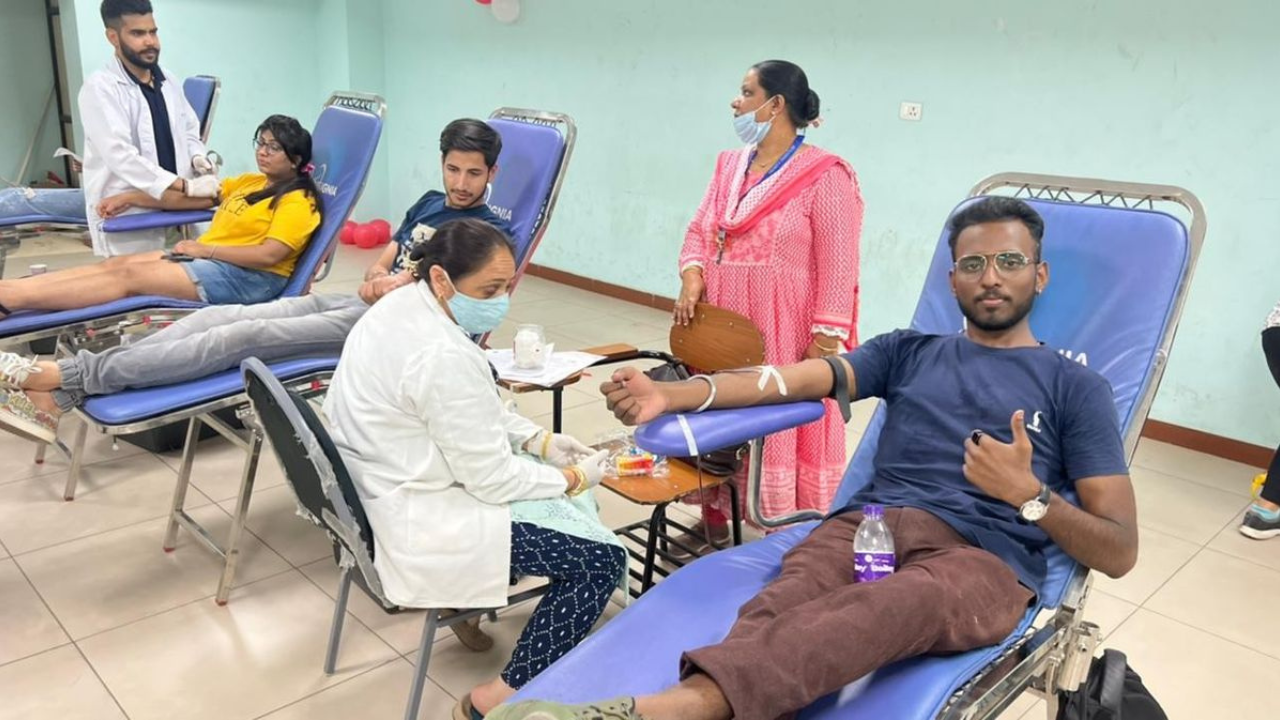
Organizing blood donation camps so no surgery is delayed due to lack of blood
This approach ensures that help reaches the patient when it matters most, not weeks later.
Why Timely Support Changes Outcomes
In healthcare, timing decides everything. A surgery done today can save a life. The same surgery delayed by a week can change the outcome forever.
Citare Foundation focuses on:
Fast decision-making
Direct coordination with hospitals
Prioritizing urgent and genuine cases
This is how real impact is created—not by big promises, but by quick action.
Beyond Treatment: Restoring Dignity
For many families, asking for help during a medical crisis is emotionally painful. Citare Foundation works quietly, respectfully, and without publicity pressure. The goal is not to make families feel dependent—but supported.
When treatment is completed, what remains is relief. Relief that a life was saved. Relief that dignity was preserved.
Looking Ahead
Citare Foundation is still young, but its hospital support work has already proven one thing clearly:
Even a small, focused NGO can save lives if it works honestly and acts on the ground.
Healthcare should never be a privilege. And until it stops being one, hospital support initiatives like these remain not just important—but necessary.